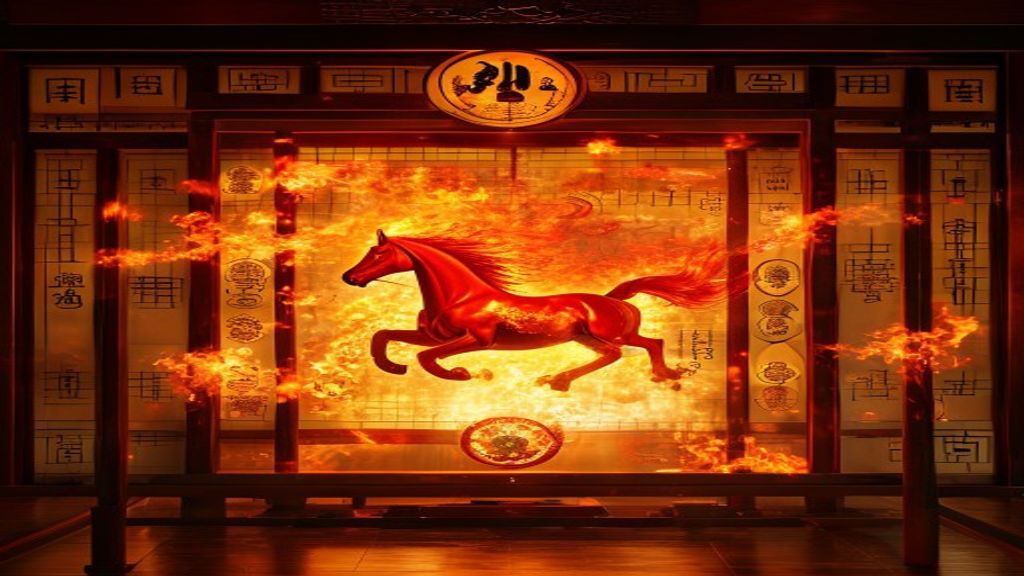
What Does 2026 Mean for Your Korean Zodiac Sign?
Every new year in Korea carries a distinct cosmic personality — a blend of an animal sign and one of the five elemental forces that shape its character. When someone in Seoul visits a fortune teller in January, or when a grandmother consults a tojong bigyeol (a traditional Korean almanac), they're tapping into a system that has guided Korean life for over two millennia.
2026 is the Year of the Horse — or more precisely, Byeong-o (병오년) in the traditional Korean sexagenary calendar. The Heavenly Stem is Byeong (丙), which carries fiery red energy, and the Earthly Branch is O (午), the Horse. Together, they create a year defined by bold momentum, restless energy, and transformative change.
So whether you were born in the Year of the Rat or the Year of the Dragon, this guide breaks down exactly what 2026 means for your Korean zodiac sign — and how to make the most of it.
---
Understanding the Korean Zodiac: A Quick Primer
The Korean zodiac system, called ddi (띠) or sipsijin (십이지신), shares its 12-animal framework with the broader East Asian zodiac. The 12 animals cycle in order: Rat, Ox, Tiger, Rabbit, Dragon, Snake, Horse, Goat, Monkey, Rooster, Dog, and Pig. Your birth year determines your sign.
What Makes Korean Zodiac Distinct from Chinese?
While the Korean zodiac shares its animal lineup with Chinese astrology, Korean practice has its own cultural nuances:
- Na이 (Korean age) — Koreans traditionally count age differently, which affects zodiac timing discussions
- Saju (사주) — Korean four-pillars astrology adds depth beyond just birth year, incorporating month, day, and hour of birth
- Seasonal rituals — Korean zodiac observations are woven into Seollal (Lunar New Year) and Chuseok traditions
- Regional folk beliefs — certain animals carry specific meanings tied to Korean shamanism (musok)
---
The Energy of Byeong-o: What the Fire Horse Brings
The 2026 Horse year isn't just any Horse year. The Byeong Heavenly Stem adds a powerful Fire element on top of the Horse's already fiery nature. In Korean metaphysics, this creates an amplified energy that's electric, fast-moving, and somewhat unpredictable.
Key Themes of 2026
- Speed and momentum: Projects and decisions move quickly — hesitation can cost you opportunities
- Passion and creativity: Artistic and entrepreneurial ventures are highly favored
- Independence: A strong pull toward personal freedom over collective conformity
- Risk of burnout: The double-fire energy can lead to overextension if not managed
---
2026 Fortune by Korean Zodiac Sign
Here's a breakdown of what 2026 holds for each of the 12 Korean zodiac signs. Remember: these are cultural interpretations rooted in traditional Korean fortune-telling, not scientific predictions.
🐀 Rat (쥐띠) — Born 1948, 1960, 1972, 1984, 1996, 2008, 2020
The Horse and Rat sit directly opposite each other on the zodiac wheel — a relationship Koreans call chungsal (충살), or clashing energy. This makes 2026 a year that demands extra caution for Rats.
- Watch out for: health issues, unexpected financial setbacks, and strained relationships
- Advantage: Clash years often force necessary change — growth through adversity is possible
- Tip: Carry a protective talisman (bujeok) and avoid major risky decisions in the early months
🐂 Ox (소띠) — Born 1949, 1961, 1973, 1985, 1997, 2009, 2021
A steady and productive year for Ox individuals. The Horse's energy complements the Ox's work ethic without overwhelming it.
- Strengths: Career advancement, financial gains through perseverance
- Focus on: Building long-term foundations rather than chasing quick wins
🐯 Tiger (호랑이띠) — Born 1950, 1962, 1974, 1986, 1998, 2010, 2022
Tigers and Horses share a strong energetic affinity — this is considered a samhap (삼합) or harmonious combination in Korean astrology.
- 2026 is a power year: Leadership opportunities, social influence, and bold new ventures thrive
- Caution: Impulsiveness combined with Horse energy can lead to reckless decisions
🐇 Rabbit (토끼띠) — Born 1951, 1963, 1975, 1987, 1999, 2011, 2023
A mixed bag year. Rabbits may find 2026 emotionally turbulent but intellectually stimulating.
- Opportunities: Creative projects and artistic endeavors flourish
- Challenges: Relationship instability requires open communication
🐉 Dragon (용띠) — Born 1952, 1964, 1976, 1988, 2000, 2012, 2024
Dragon individuals enjoy one of their better years in 2026. The Fire energy of the Horse fuels Dragon ambition.
- Strong sectors: Business expansion, international connections, visibility and reputation
- Reminder: Stay grounded — Dragon hubris + Horse fire can create spectacular crashes
🐍 Snake (뱀띠) — Born 1953, 1965, 1977, 1989, 2001, 2013, 2025
Snakes, having just navigated their own zodiac year in 2025, enter 2026 ready for consolidation.
- Energy: Quieter year for reflection and strategic planning
- Financial note: Avoid speculative investments; steady growth is favored
🐴 Horse (말띠) — Born 1954, 1966, 1978, 1990, 2002, 2014
This is your bonji year — your own zodiac year. In Korean tradition, this is known as ddi hae (띠해) and carries mixed significance.
- The paradox: One might assume your own year is lucky, but Korean tradition sees it as a year of offending the year god
- Protective measures: Wearing red underwear (bbalgan sokot) is a classic Korean folk remedy for this vulnerability
- Opportunities do exist: Personal reinvention, identity clarity, major life decisions that define the next 12 years
🐐 Goat (양띠) — Born 1955, 1967, 1979, 1991, 2003, 2015
A harmonious year for Goats, who benefit from the creative and social energy of the Horse.
- Best months: Spring and early summer bring peak opportunities
- Focus: Personal relationships, community building, and artistic expression
🐒 Monkey (원숭이띠) — Born 1956, 1968, 1980, 1992, 2004, 2016
Monkeys thrive in dynamic environments, and 2026 delivers plenty of that.
- Career: Fast-moving opportunities in technology and communication sectors
- Warning: Don't overcommit — the Horse's momentum can stretch Monkey's already busy schedule thin
🐓 Rooster (닭띠) — Born 1957, 1969, 1981, 1993, 2005, 2017
A moderately positive year. Roosters need to temper their perfectionist tendencies in 2026's fast-paced environment.
- Growth areas: Social networking, public-facing roles, and community leadership
- Health note: Guard against stress-related ailments
🐕 Dog (개띠) — Born 1958, 1970, 1982, 1994, 2006, 2018
Dogs and Horses have a traditionally favorable relationship in Korean astrology.
- 2026 highlights: Loyalty rewarded, career recognition, family harmony
- Caution: Financial overextension is possible — maintain a budget despite optimistic circumstances
🐷 Pig (돼지띠) — Born 1959, 1971, 1983, 1995, 2007, 2019
A transformative year for Pigs. The Fire Horse energy pushes them out of comfortable routines.
- Opportunity: Major personal breakthroughs if they embrace change
- Challenge: Resistance to the Horse's pace can create frustration — flow rather than fight
Korean Zodiac Traditions to Observe in 2026
Knowing your fortune is just the beginning. Korean zodiac culture is rich with rituals that help you align with — or protect yourself from — the year's energy.
Seollal Rituals
During Lunar New Year (Seollal), Koreans perform sebae (bowing to elders) and receive sebae-don (New Year's money in red envelopes). Fortune discussions are a natural part of family gatherings. Visiting a jeomjip (fortune-telling house) around this time is still extremely common in Korea.
Wearing Your Lucky Color
In 2026, the dominant elemental color is red and orange (Fire element). Incorporating these colors into clothing, accessories, or home decor is believed to amplify positive energy and attract prosperity.
Protective Charms
- Bokjumeoni (복주머니): Small silk pouches filled with lucky grains, often received as gifts at Seollal
- Bujeok (부적): Talismanic paper charms written in red ink, used for protection during challenging zodiac years
- Jade or horseshoe imagery: Popular auspicious symbols for Horse years
How Modern Koreans Engage with Zodiac Culture
You might assume that zodiac beliefs are strictly for older generations — but you'd be surprised. A 2023 survey by a major Korean research institute found that over 60% of Koreans in their 20s and 30s check their horoscope or zodiac fortune at least occasionally, and Lunar New Year fortune consultations remain a booming industry.
Korean astrology apps like Hemeok and various saju calculator platforms see massive traffic spikes every January. On social media, Korean influencers regularly post zodiac compatibility guides and annual fortune videos that rack up millions of views.
Even in global K-pop culture, artists openly discuss their zodiac signs, and fan communities create elaborate compatibility charts. It's a living tradition — simultaneously ancient and thoroughly modern.
---
Saju: Going Deeper Than Your Birth Year
If you want a truly personalized reading for 2026, your birth year animal is just one piece of the puzzle. Traditional Korean saju (사주) — also called the Four Pillars of Destiny — analyzes four components:
1. Year Pillar — your zodiac animal and element 2. Month Pillar — birth month animal and element 3. Day Pillar — often considered the most important; your personal day sign 4. Hour Pillar — birth hour, which adds nuance to personality and fate
A skilled saju reader combines these four pillars with the current year's energy (the 세운, or annual luck pillar) to give a nuanced picture of what 2026 holds for you specifically.
Many Koreans visit professional saju practitioners before making major decisions — marriage, career changes, moving houses, starting businesses. The practice is so mainstream that large department stores in Seoul often host saju consultation booths during Seollal.
---
Practical Tips for Thriving in the Horse Year
Regardless of your zodiac sign, here are some universally wise approaches to navigating 2026's Fire Horse energy:
- Act decisively: Horse years reward swift, confident action over prolonged deliberation
- Protect your health: Fire energy can lead to burnout — prioritize sleep, rest, and stress management
- Embrace change: Resist the urge to cling to structures that no longer serve you
- Build community: Horse energy is social — collaboration and partnerships fare better than solo endeavors
- Financial prudence: The speed of 2026 can tempt impulsive spending; maintain a financial safety net
Wrapping Up: Making 2026 Work for You
The Korean zodiac is more than a system of predictions — it's a cultural lens for understanding cycles of time, personality, and fortune. Whether you're a Rat bracing for a challenging year or a Tiger preparing to charge into your most powerful season in a decade, 2026's Fire Horse energy demands presence, courage, and adaptability.
Take these interpretations as cultural wisdom and food for thought rather than fixed fate. The Korean philosophical tradition has always emphasized that destiny (myeong) and effort (un) work together — the stars may set the stage, but your choices write the script.
If you're curious to go deeper, explore resources on Korean saju astrology, Seollal traditions, or Korean folk culture to enrich your understanding of this fascinating system. Many Korean cultural centers, university programs, and online communities offer accessible introductions to these traditions for international learners.
May your 2026 be filled with the Horse's swift fortune, bold spirit, and unstoppable momentum.