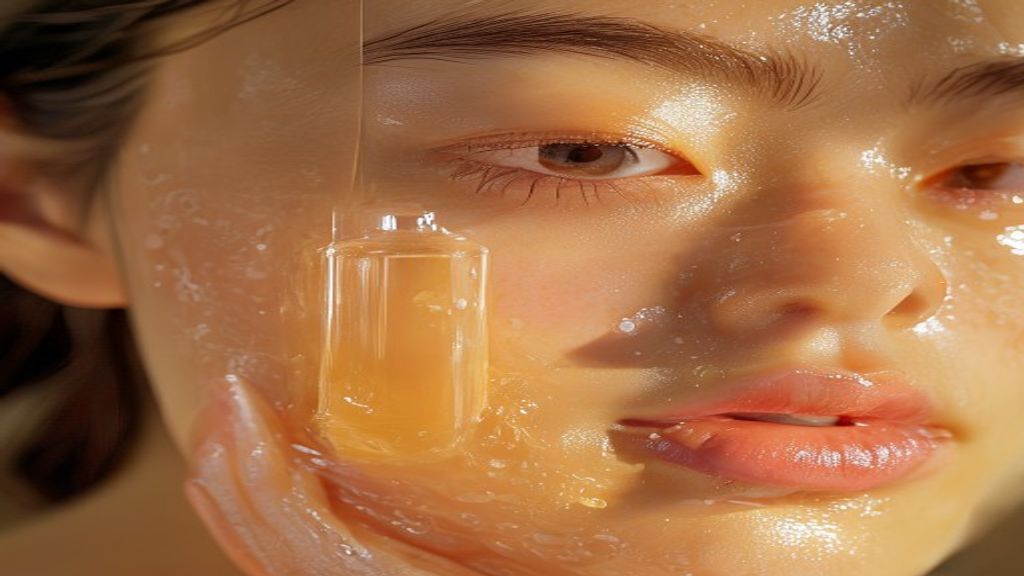
What Is Snail Mucin — And Why Is Korea Obsessed With It?
If you've ever scrolled through K-beauty forums or stood bewildered in a Korean beauty aisle, you've almost certainly encountered it: snail mucin. Also called snail secretion filtrate or snail slime, this unusual ingredient has become one of the most talked-about components in Korean skincare over the past two decades.
But this isn't just a gimmick. Snail mucin is a genuinely complex biological substance that snails secrete to protect their bodies from environmental damage, infections, and physical injury. Korean cosmetic scientists were among the first in the world to recognize its potential for human skin — and the global beauty industry hasn't stopped talking about it since.
For many Western skincare enthusiasts, the "ick factor" is real. The idea of applying snail slime to your face takes some getting used to. But once you understand what's actually in it and what it can do, the hesitation tends to disappear pretty quickly.
---
A Brief History: How Korea Discovered Snail Mucin Skincare
From Farm Workers to Beauty Labs
The origin story of snail mucin in Korean beauty is surprisingly practical. The discovery is often traced back to Chilean snail farmers in the 1980s who noticed that their hands — constantly exposed to snail secretions — were remarkably smooth and healed unusually fast. That observation sparked early cosmetic research.
Korean beauty brands picked up on this and began investing in research during the late 1990s and early 2000s. By the mid-2000s, snail mucin extracts were showing up in Korean serums, creams, and essences. When the global K-beauty wave hit Western markets around 2012–2015, snail mucin products became gateway products for many Western consumers exploring Korean skincare for the first time.
Why Korea Embraced It So Readily
Korean skincare culture has always leaned toward multi-ingredient, skin-nurturing formulations rather than aggressive, stripping approaches. The philosophy of skin barrier care — keeping skin hydrated, protected, and resilient — made snail mucin a natural fit. It aligned perfectly with the Korean ideal of chok-chok skin: dewy, bouncy, glass-like skin that looks healthy from the inside out.
---
The Science Behind Snail Mucin: What's Actually in It?
Snail mucin isn't just one ingredient — it's a cocktail of bioactive compounds, each with distinct skin benefits. Here's what makes it so effective:
- Hyaluronic acid — A powerful humectant that draws moisture into the skin and plumps fine lines
- Glycoproteins — Help with skin repair and cell regeneration
- Glycolic acid — A mild alpha-hydroxy acid (AHA) that gently exfoliates dead skin cells
- Allantoin — Soothing, anti-inflammatory, and known to speed up tissue repair
- Collagen and elastin — Support skin structure and firmness
- Zinc and manganese — Minerals with antimicrobial and antioxidant properties
- Peptides — Signal proteins that encourage skin renewal
---
Key Korean Snail Mucin Benefits for Your Skin
1. Deep, Long-Lasting Hydration
Thanks to its naturally high hyaluronic acid content, snail mucin is an exceptional moisturizer. Unlike occlusive moisturizers that simply seal the surface, snail mucin draws water into the deeper layers of the skin and holds it there. People with dry, dehydrated, or combination skin often notice their skin feels more supple and "full" within days of starting a snail mucin product.
2. Accelerated Skin Healing and Repair
One of the most compelling snail mucin benefits is its ability to speed up skin recovery. Allantoin — one of its key components — has well-documented wound-healing properties. This makes snail mucin particularly effective for:
- Post-acne marks and hyperpigmentation
- Irritated or compromised skin barriers
- Minor inflammation from over-exfoliation or sun exposure
- General redness and sensitivity
3. Anti-Aging and Wrinkle Reduction
The collagen, elastin, and peptide content in snail mucin supports the skin's structural integrity. Regular use can help:
- Reduce the appearance of fine lines and wrinkles
- Improve skin elasticity and firmness
- Give skin a plumper, more youthful appearance
4. Gentle Exfoliation Without Irritation
The glycolic acid in snail mucin provides very mild chemical exfoliation. Unlike a dedicated glycolic acid toner or peel (which can be quite potent), the glycolic acid in snail mucin works gradually and gently, helping to:
- Improve skin texture and tone
- Fade dark spots over time
- Keep pores looking clearer
5. Acne Management and Scar Fading
The antimicrobial properties of zinc, combined with allantoin's anti-inflammatory effects, make snail mucin a surprisingly effective ally against acne-prone skin. It doesn't act as a targeted spot treatment, but consistent use can help:
- Reduce frequency and severity of breakouts
- Calm active inflammation
- Fade post-acne hyperpigmentation faster
---
How Korean Snail Mucin Products Are Made (And Why Ethical Sourcing Matters)
The Extraction Process
Responsible snail mucin extraction doesn't harm the snails. The most common ethical method involves allowing snails (usually Cryptomphalus aspersa or Helix aspersa species) to move freely across mesh or glass surfaces. As they travel, they naturally secrete mucin, which is then collected, filtered, and processed.
No snails are killed or injured in this process. Reputable Korean brands are transparent about their extraction methods, and this is worth checking if you're concerned about animal welfare.
Concentration Matters
Snail mucin products vary significantly in their secretion filtrate concentration. You'll see everything from 20% to 96% concentrations on Korean skincare labels. Higher isn't always better — formulation quality matters — but generally, a product with 70–96% snail secretion filtrate will deliver more noticeable results than a product where it's a minor ingredient buried at the bottom of the ingredient list.
---
How to Use Snail Mucin in a Korean Skincare Routine
One of the reasons snail mucin fits so seamlessly into K-beauty routines is its versatility. It layers well with other products and doesn't typically cause interactions with common actives.
Step-by-Step Placement
In a standard Korean skincare routine, snail mucin products typically appear as:
- Essence — Applied after toner, before serums (snail mucin essences are among the most popular formats)
- Serum or ampoule — Slightly more concentrated, applied after essence
- Sleeping mask or cream — As a final moisturizing step to lock everything in
Layering Tips
- Apply snail mucin on slightly damp skin for better absorption
- It pairs excellently with niacinamide, vitamin C, and hyaluronic acid
- If you use retinol, apply snail mucin afterward to buffer irritation
- Both morning and evening use is generally well-tolerated
Who Should Use It?
Snail mucin is suitable for nearly all skin types. It's particularly beneficial for:
- Dry and dehydrated skin
- Acne-prone or post-acne skin
- Sensitive or reactive skin
- Mature skin concerned with aging
- Anyone with a compromised or damaged skin barrier
---
Snail Mucin in the Broader Context of K-Beauty Philosophy
Understanding snail mucin benefits goes beyond the ingredient itself. It reflects something deeper about Korean skincare culture: the prioritization of skin health over quick fixes.
Korean beauty philosophy treats the skin as a living system that needs consistent nourishment rather than aggressive intervention. The multi-step Korean skincare routine isn't just a trend — it's a cultural practice built around layering gentle, compatible ingredients over time to achieve cumulative results.
Snail mucin embodies this approach perfectly. It's not a dramatic overnight transformer. It works gradually, patiently, over weeks and months — which is exactly how Korean skincare is designed to be practiced. This patience-first mentality is part of why Korean women often have noticeably healthy skin well into their 40s and 50s — it's the result of consistent, skin-respecting routines built over years.
---
Common Questions About Snail Mucin Skincare
Does It Actually Smell Like Snails?
Not really. High-quality snail mucin products are processed and purified, and most are nearly odorless or have a very subtle, neutral scent. If a product smells strongly, it's more likely due to added fragrance.
How Long Does It Take to See Results?
Most people notice initial hydration improvements within days. For more significant changes — improved texture, faded scars, reduced fine lines — expect to use it consistently for 4–8 weeks.
Is It Cruelty-Free?
Ethically sourced snail mucin doesn't harm snails. However, it's worth checking whether the brand itself is certified cruelty-free if that's important to you, since the term applies to the full testing and sourcing process.
Can You Use It Every Day?
Yes. Snail mucin is gentle enough for daily use, morning and night. It's one of the more universally well-tolerated K-beauty ingredients.
---
Final Thoughts: Is Snail Mucin Worth the Hype?
In the world of skincare, where overhyped ingredients come and go with every season, snail mucin has shown unusual staying power — and for good reason. Its multi-functional profile, strong safety record, and deep alignment with Korean skin health philosophy make it one of the most genuinely useful ingredients to come out of the K-beauty movement.
Whether you're dealing with dehydrated skin, stubborn acne scars, early signs of aging, or just want to improve your overall skin texture, snail mucin offers a compelling, science-backed case for itself.
The real secret isn't just the ingredient — it's the consistency and care that Korean skincare culture teaches us to bring to our routines. Snail mucin is most powerful not as a miracle fix, but as a patient, daily act of skin nourishment.
---
Curious to explore more about Korean skincare culture, ingredients, and beauty philosophy? Dive deeper into K-beauty traditions, routines, and the cultural values that make Korean skincare so uniquely effective — there's a whole world of knowledge waiting beyond the ingredient list.