The 3-Day Jeju Island Budget Itinerary You Actually Need
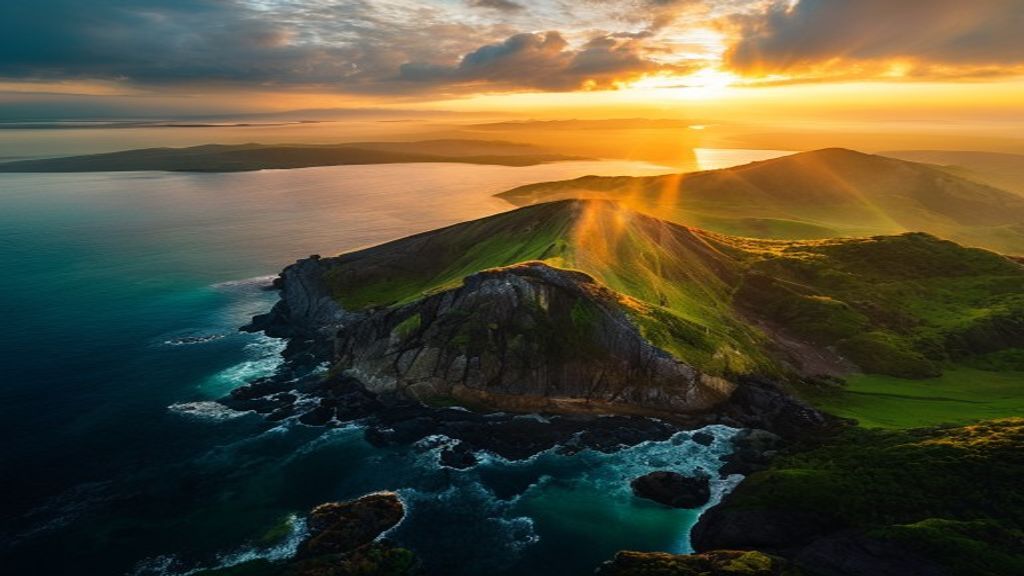
Jeju Island is South Korea's crown jewel — a UNESCO-listed volcanic island that packs dramatic black lava cliffs, tangerine orchards, cascading waterfalls, and ancient folklore into a space roughly the size of Rhode Island. Every year, over 15 million visitors make the crossing, and for good reason.
But here's the thing: most travel content makes Jeju sound either impossibly luxurious or annoyingly vague. This guide is neither. Whether you're a solo backpacker, a couple on a tight budget, or a first-time visitor to Korea, this day-by-day breakdown will help you experience the best of Jeju without draining your wallet.
Let's get into it.
---
Understanding Jeju Before You Go
A Volcanic Island With Layers
Jeju (제주도) sits about 85 km south of the Korean mainland. It was formed entirely by volcanic activity, which explains its surreal landscapes — lava tubes, crater lakes, and Hallasan, South Korea's highest peak. The island holds a triple UNESCO designation: World Natural Heritage Site, Global Geopark, and Biosphere Reserve.
Culturally, Jeju has a distinct identity from mainland Korea. It has its own dialect (Jeju-eo, now critically endangered), its own shamanic traditions (Musok), and is famously associated with the haenyeo — female free divers who harvest seafood from the ocean floor without breathing equipment. These women, some well into their 70s and 80s, are a living cultural icon recognized by UNESCO's Intangible Cultural Heritage list.
Best Time to Visit on a Budget
- Shoulder season (April–June, September–October): Best weather, fewer crowds, lower airfare
- Peak summer (July–August): Beautiful but crowded and expensive — book everything early
- Winter (December–February): Cheapest prices, cold and sometimes windy, but stunning with snow on Hallasan
Budget Breakdown: What to Expect
Jeju is more affordable than most European island destinations, but it's not as cheap as Southeast Asia. Here's a realistic daily budget for a mid-to-low budget traveler:
| Category | Budget (per person/day) | |---|---| | Accommodation | ₩25,000–₩60,000 (~$18–$45) | | Food | ₩20,000–₩35,000 (~$15–$26) | | Transportation | ₩10,000–₩30,000 (~$7–$22) | | Attractions | ₩0–₩20,000 (~$0–$15) | | Total | ₩55,000–₩145,000 (~$40–$108) |
Where to Save the Most
- Accommodation: Guesthouses and hostels in Jeju City or Seogwipo run ₩25,000–₩40,000/night for dorms. Many include breakfast.
- Food: Eat at local sikdang (식당) restaurants and traditional markets — a full meal costs ₩7,000–₩12,000.
- Transport: Renting a scooter (~₩35,000/day) beats taxis. Intercity buses are cheap (₩1,500–₩3,000 per ride) but slow.
- Attractions: Many of Jeju's best natural sites are free or under ₩2,000.
Day 1: Jeju City & the Eastern Coast
Morning: Arrive and Orient
Most budget travelers fly into Jeju International Airport from Seoul (Gimpo or Incheon) — flights book for as low as ₩20,000–₩50,000 one-way if grabbed during sales on Korean carriers like Air Seoul, Jeju Air, or T'way Air.
From the airport, take Bus 36 or 37 into downtown Jeju City (₩1,500). Drop your bags at your guesthouse and fuel up at Dongmun Traditional Market (동문시장), one of the oldest and most beloved markets on the island. Grab a gogi guksu (pork noodle soup, ₩8,000) — a Jeju staple you won't easily find on the mainland.
Afternoon: Manjanggul Lava Tube
Head east to Manjanggul Cave (만장굴), a UNESCO-listed lava tube stretching over 13 km — one of the longest in the world. Only about 1 km is open to the public, but it's awe-inspiring. The cave maintains a constant temperature of around 11°C, so bring a light jacket even in summer.
Entry fee: ₩4,000 adults
Nearby, stop at Seongsan Ilchulbong (성산일출봉) — the iconic "Sunrise Peak," a 182-meter tuff cone that emerged from an underwater eruption about 5,000 years ago. The hike to the top takes 20–30 minutes and rewards you with panoramic views of the eastern coast.
Entry fee: ₩5,000 adults
Evening: Haenyeo Performance & Local Dinner
Near Seongsan, you can watch a free haenyeo diving demonstration at Udo Island ferry terminal or at the Haenyeo Museum in Gujwa-eup. Watching these women emerge from the sea carrying their catch is one of those genuinely humbling travel experiences.
For dinner, head back toward Jeju City and try heukdwaeji (흑돼지) — Jeju black pig, a local breed prized for its rich, marbled flavor. A full grilled pork belly set runs ₩15,000–₩20,000 per person at spots around the Geomun Oreum area or Nohyeong-dong.
---
Day 2: Hallasan & Seogwipo
Morning: Hike Hallasan (한라산)
This is the centerpiece of Jeju — a 1,950-meter shield volcano and the highest point in South Korea. The mountain is sacred in Jeju's indigenous spiritual tradition and is home to unique alpine ecosystems found nowhere else in Korea.
There are several trails, but for a budget-friendly full experience, the Eorimok Trail (6 km round trip, ~4 hours) is the most accessible and doesn't require an early pre-registration. For the summit (crater lake Baengnokdam), take Seongpanak Trail (18.4 km round trip, ~9 hours) — note that entry cutoff times are strict.
Entry fee: Free
> Tip: Pack your own snacks and lunch — food stalls on the trail are limited and overpriced. Stock up at a GS25 or CU convenience store the night before.
Afternoon: Explore Seogwipo
Descend toward Seogwipo (서귀포시), Jeju's second city and arguably its most scenic. It sits on the southern coast, sheltered from northern winds, and has a warmer, almost subtropical feel.
Must-sees in Seogwipo:
- Cheonjiyeon Waterfall (천지연폭포): Entry ₩2,000. A short walk through a lush subtropical forest leads to a 22-meter waterfall — magical at golden hour.
- Jeongbang Waterfall (정방폭포): The only waterfall in Asia that falls directly into the ocean. Entry ₩2,000.
- Olle Trail No. 6: A 2-3 hour coastal walk through villages and cliffside paths. Free and gorgeous.
Evening: Night Market & Rest
Seogwipo Maeil Olle Market (매일올레시장) is excellent for budget dinners — try the jeonbok juk (전복죽), or abalone porridge, a Jeju speciality that costs around ₩12,000–₩15,000 here vs. ₩30,000+ at tourist restaurants. The market also sells Jeju tangerines (hallabong) — sweet, seedless, and worth every bite.
Stay the night in Seogwipo to save transit time for Day 3.
---
Day 3: Western Jeju & Hidden Gems
Morning: Hallim Park & Hyeopjae Beach
The western side of Jeju is often overlooked by short-stay tourists — which is exactly why you should go.
Hallim Park (한림공원) is a sprawling botanical garden that also contains two lava tube caves — Hyeopjae Cave and Ssangyong Cave. It's touristy but genuinely impressive and well-curated.
Entry fee: ₩12,000 adults (one of the pricier spots, but worth it)
Afterward, walk five minutes to Hyeopjae Beach — arguably Jeju's most beautiful beach, with turquoise water and white sand backed by pine forests. Entry is free, and it's far less crowded than the eastern beaches.
Afternoon: Olle Trail No. 14 & Local Villages
Jeju's Olle Trails (올레길) are a network of 26 coastal walking routes totaling over 400 km. They were created in 2007 by journalist Seo Myung-suk after a trip to the Camino de Santiago — the idea was to give ordinary Koreans a way to reconnect with the island on foot. The trails now attract hundreds of thousands of walkers annually and have been credited with revitalizing small coastal villages.
On Day 3, try a section of Olle Trail 14 between Hallim and Nampo, which passes stone walls, Jeju's signature batdam (돌담) lava stone fences, traditional thatched choga houses, and windswept coastline.
Cost: Free. Pick up a trail stamp card at any Olle Information Center for a fun collectible souvenir.
Evening: Head Back to Jeju City & Departure
Grab a final coffee at one of the many Jeju-based indie cafes — the island has a thriving café culture, particularly in converted orange orchards or clifftop spots with ocean views. Budget ₩5,000–₩7,000 for a specialty drink.
For your last meal, revisit Dongmun Market for a cheap and satisfying send-off — bingsu (shaved ice with toppings), fresh tangerine juice, or a box of Jeju samdasoo tangerine chocolates to bring home.
---
Getting Around Jeju on a Budget
This is where many travelers overspend. Here's how to keep transport costs low:
- Intercity buses: Cheap and reliable. Use the Kakao Bus app (works in English) to plan routes. Fare: ₩1,500–₩3,500.
- Electric scooter rental: ₩30,000–₩40,000/day. Great for flexibility, especially on the west coast.
- Bicycle rental: Some areas (near Hyeopjae, Udo Island) have bike rental for ₩5,000–₩10,000/hour.
- Avoid taxis for long distances: Fares add up fast. Use only for short hops or late-night returns.
- Car rental: Starting around ₩50,000–₩70,000/day including insurance. Best value for groups of 3–4 splitting costs.
Where to Stay in Jeju on a Budget
Jeju City
- Hostels and guesthouses near Jeju Airport and Chilseong-ro area: ₩25,000–₩40,000/night dorm
- Good base for Day 1 and departures
Seogwipo
- Budget guesthouses near Olle Trail starting points: ₩30,000–₩50,000/night private room
- More scenic surroundings than Jeju City
Pro Tips
- Book via Airbnb or Korean platform Yanolja for deals
- Hanok guesthouses (traditional Korean-style homes) sometimes cost the same as regular guesthouses and offer a much richer cultural experience
- Avoid peak Korean holiday weeks: Chuseok (harvest festival, September/October) and Seollal (Lunar New Year, January/February)
Jeju Food Guide: Eat Like a Local on a Budget
Jeju cuisine is distinct from mainland Korean food — heavier on seafood, pork, and citrus. Don't leave without trying:
- Gogi guksu (고기국수): Pork broth noodle soup. ₩8,000. The Jeju equivalent of ramen comfort food.
- Heukdwaeji (흑돼지): Jeju black pig BBQ. ₩15,000–₩20,000/portion.
- Jeonbok juk (전복죽): Abalone porridge. Rich, savory, silky. ₩12,000 at markets.
- Haemul pajeon (해물파전): Seafood scallion pancake. Great with makgeolli rice wine. ₩10,000.
- Hallabong (한라봉): The famous Jeju tangerine hybrid. Buy a bag at the market for ₩5,000.
- Omegi-tteok (오메기떡): Traditional Jeju rice cake made from millet. A rare taste you can only really get on the island. ₩2,000–₩3,000 each.
Practical Tips Before You Go
- Currency: Korean Won (₩). ATMs in GS25 and 7-Eleven are traveler-friendly and accept foreign cards.
- Language: Basic Korean phrases go a long way in smaller villages. Most major tourist sites have English signage.
- T-money card: Load this transit card at any convenience store for bus payments. Saves fumbling for change.
- Weather: Jeju is notorious for sudden weather changes — pack a light rain jacket regardless of season.
- SIM/Data: Pick up a tourist SIM at Incheon or Gimpo Airport before your domestic flight. Essential for navigation.
- Respect the environment: Jeju's natural sites are fragile. Stick to marked trails, don't remove volcanic rocks (it's actually illegal), and use provided waste bins at beaches.
Final Thoughts
Three days on Jeju Island is enough to fall deeply in love with the place — and to understand why so many visitors end up extending their stay or coming back. It's a destination that rewards curiosity: the more you dig into its volcanic geology, its haenyeo traditions, its distinct language and food culture, the richer the experience becomes.
Budget travel in Jeju isn't about cutting corners — it's about spending money on the things that matter (that heukdwaeji dinner, the view from Seongsan Ilchulbong at dawn) and skipping the resort price tags that come with none of the authenticity.
If you're planning a broader South Korea trip, Jeju pairs beautifully with time in Seoul, Busan, or the traditional village of Jeonju. For deeper dives into Korean culture, history, food, and travel planning, explore more guides across our Korean culture content library — from understanding hanok architecture to navigating Korean temple stays.
Jeju is waiting. Pack light, eat well, and walk slowly.